
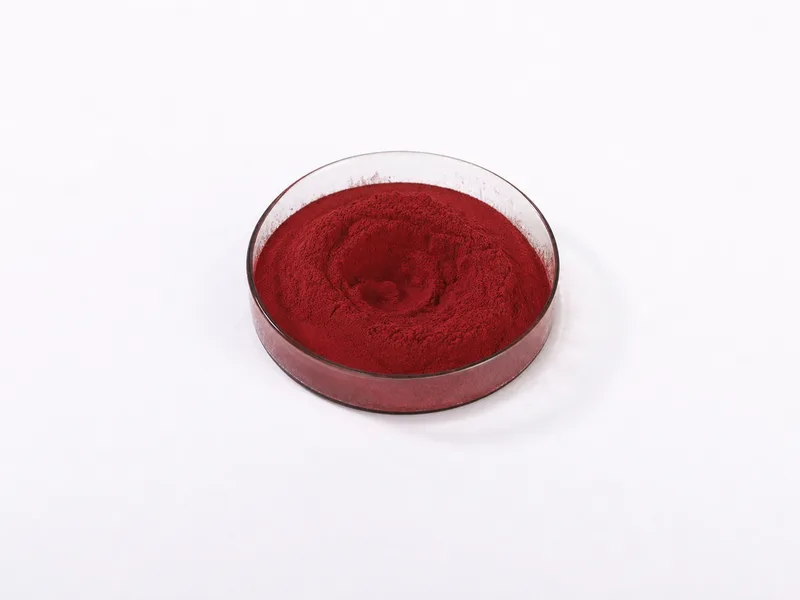
LycopeneFermentation-derived dark red powderOpen Lycopene
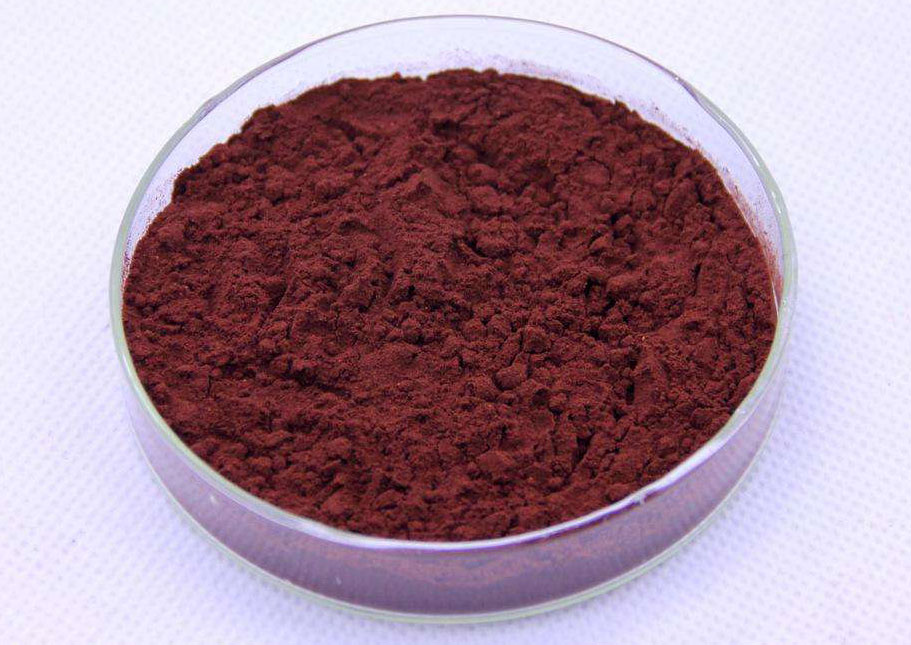
Granray’s botanical extract range is organized around the information that matters in an ingredient review: source, appearance, product identity, assay or test references and project context.
Five botanical ingredients, each with its own source and specification focus.
The botanical range covers five ingredients with different sources, appearances and specification points: Lycopene, Beta Carotene, Glucoraphanin, Sulforaphane and Ellagic Acid. Open the product that matches your project to see the details for that ingredient.
Browse Botanical Products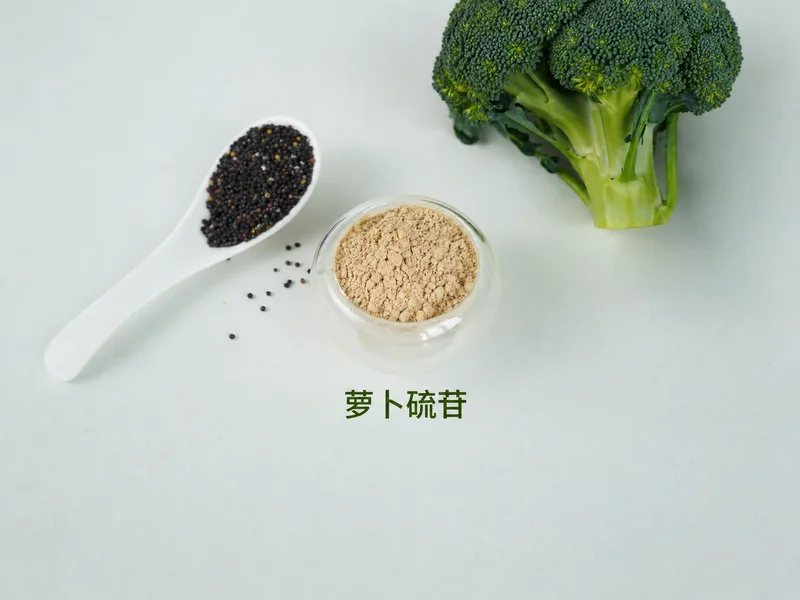
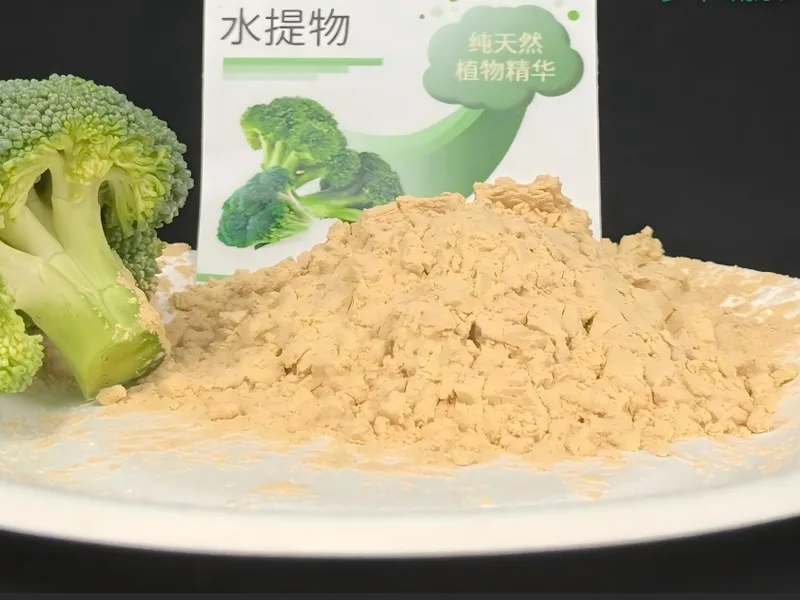
The five extracts do not follow the same evaluation path. Depending on the ingredient, you may want to look first at its source, appearance, assay, intended use or supporting documents. Choose the product that matches your project, and we can focus the discussion on the details that matter.
Browse Botanical ExtractsBelow are five botanical ingredients, each with its own source and specification focus. Lycopene and Beta Carotene are fermentation-derived powders, while Glucoraphanin comes from water extraction. The Sulforaphane and Ellagic Acid pages set out their respective product details. Select a card to continue.
Lycopene is a dark red powder from a fermentation source. For food, beverage and supplement projects, share the application and target specification you are working with, and we can take the discussion from there.
Beta Carotene is presented as a dark red powder from a fermentation source. Tell us how you plan to use it and what specification your formulation requires.
Glucoraphanin is a brown-yellow powder obtained through water extraction. Let us know the target assay and the documents your team needs for the project.
Sulforaphane discussions start with the intended application, target assay and test items. Share the specification and supporting documents you would like to review.
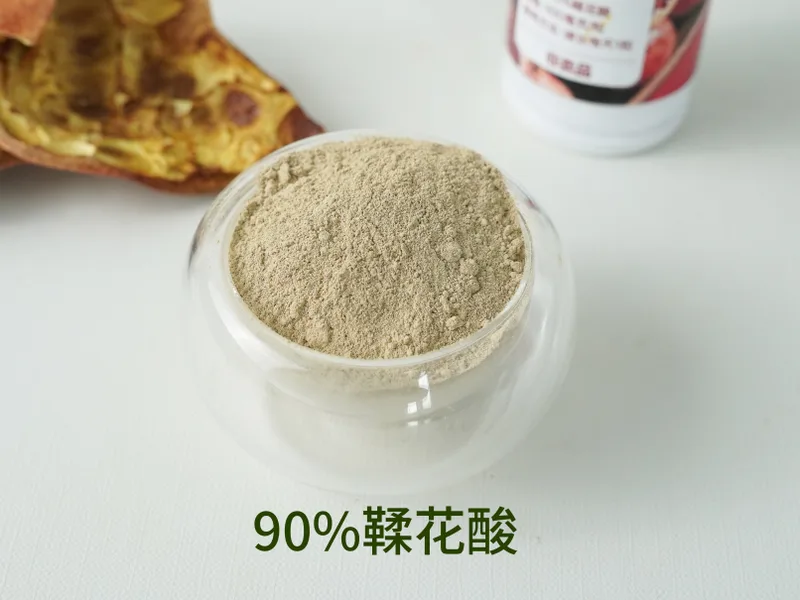
Ellagic Acid is described as a brown-yellow powder from pomegranate peel. Tell us the application and target specification so we can focus the next discussion on your project.
For a botanical ingredient inquiry, send the extract name, intended application, target assay or specification, destination market and document needs. That lets the discussion stay tied to the product rather than a broad category claim.
Not sure which extract to start with? Tell us the ingredient, application and target specification, and we can point you to the relevant product page.
Start with the ingredient you are considering, then share the intended application, target market, target assay or specification and document needs. These details give the first discussion a clear direction.
Clarify the product or document requirement.
Review application, market, and specification context.
Continue with quotation or technical communication after the requirement is clear.
Continue with the product, document or quotation discussion that best fits your project.
Need a COA, MSDS/SDS or specification sheet for one of these ingredients? Tell us which product you are reviewing and what your team needs, and we will direct the request to the right product discussion.
Request Technical DocumentsThis draft keeps quotation, MOQ, delivery time, payment, and performance language conditional until the buyer requirement is reviewed.
Which extract fits my project? What assay or specification should I request? Which documents should my team review? Start with the product name and intended use, and we can keep the conversation focused on the relevant ingredient.
Ask About an ExtractShare the application context, destination market, and any specification or document needs. We can continue the discussion from there.
Yes. List each ingredient with the market and documents you need to review.
Looking for a particular extract? Tell us the product name and the specification or document information your team needs. We can then point you to the relevant product discussion.
Include the extract name, intended application, target assay or specification, quantity range, destination market and document needs in your inquiry. A specific brief makes it easier to keep the conversation around the right product.
Share your product, quantity, destination, packaging requirements, and document questions. Granray will continue the review from the exact material and market context you provide.
Request Product Information